
The Ultіmаte Guіde to Buyіng the Perfect Room Humіdіfіers
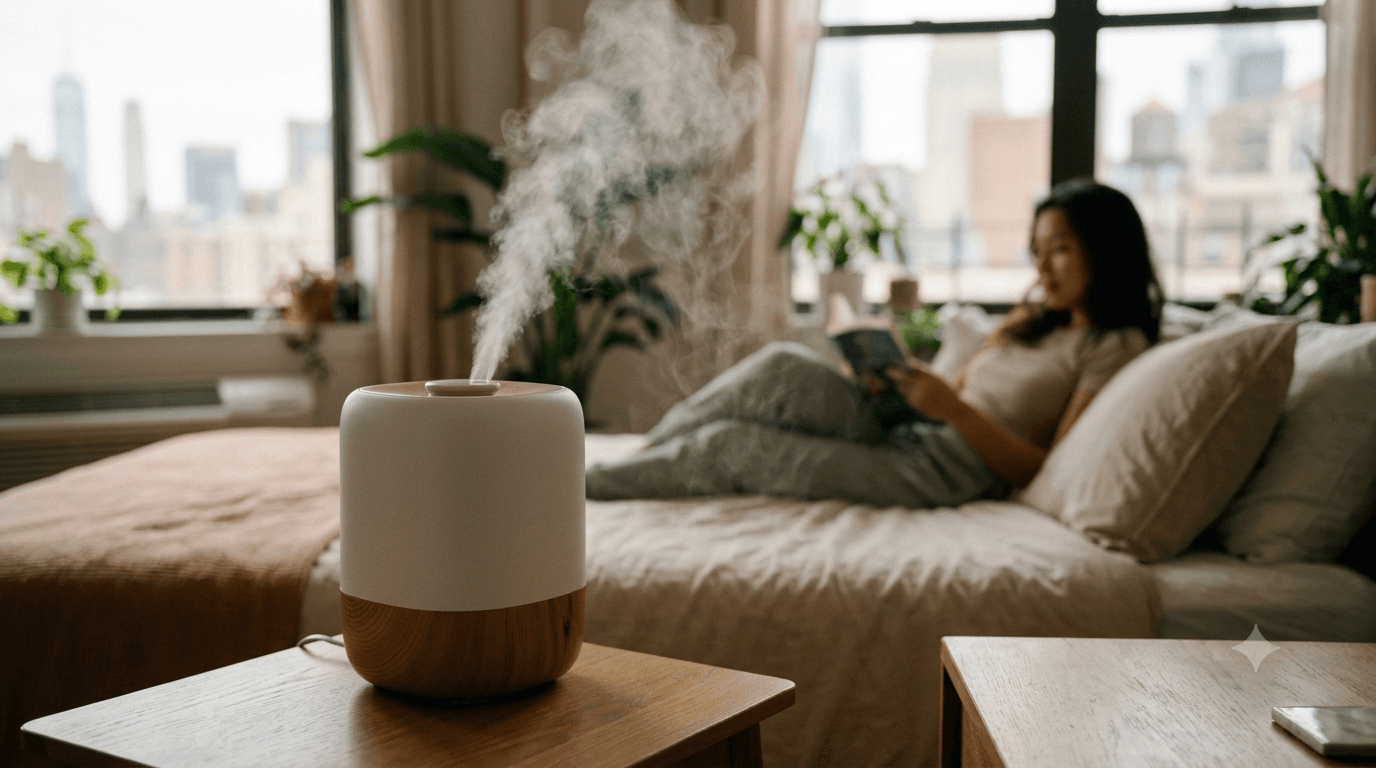
You might have already heard about the benefits of room humidifiers, particularly if you suffer from dry skin, seasonal allergies, or sinus sensitivities during the cold NYC winter months. There’s nothing worse than a restless night spent tossing and turning due to dry nasal passages, a stuffy nose, or scratchy throat. This is where room humidifiers come in—they add essential moisture back into the indoor air to alleviate discomfort and improve indoor air quality.
In regions like the Northeast where winter heating systems dry out indoor air rapidly, maintaining proper humidity is essential. Before purchasing a unit, here are the most important factors to keep in mind.
Key Factors to Consider Before Buying
1. Moisture Levels (Relative Humidity)
It is crucial to monitor how much moisture your unit discharges into the room. Low humidity levels (below 30%) can cause dry skin, nosebleeds, and allow airborne viruses to spread more easily. However, excess moisture (above 50%) creates an environment for mold, mildew, and dust mites to thrive.
For ideal comfort and health, aim to maintain an indoor relative humidity level between 30% and 50%.
2. Maintenance and Cleaning Routine
To keep your humidifier safe and free of harmful microbes, regular cleaning is required. Stagnant water can easily become a breeding ground for mold and bacteria, which then get dispersed straight into the air you breathe.
- Daily: Drain, rinse, and dry the water reservoir.
- Weekly: Disinfect the tank using a diluted white vinegar, hydrogen peroxide, or mild bleach solution following manufacturer instructions.
Cool Mist vs. Warm Mist Humidifiers
When selecting a portable room humidifier, you will generally choose between cool mist and warm mist models.
Cool Mist Humidifiers
Cool mist models disperse room-temperature mist into the air and are available in ultrasonic or evaporative designs.
- Pros: Highly energy-efficient, safe for homes with children and pets, and available in silent ultrasonic options.
- Cons: Ultrasonic models can leave a fine white mineral dust residue if filled with hard tap water (use distilled water to avoid this).
Warm Mist Humidifiers
Warm mist units use a heating element to boil water, releasing clean, warm steam into the room.
- Pros: Boiling process naturally kills bacteria and waterborne pathogens; helps keep immediate space feeling cozy in cold bedrooms or offices.
- Cons: Higher energy consumption and a potential burn hazard around young children or pets.
Finding a Quiet Humidifier for Bedrooms
If operating noise is a primary concern—especially for bedrooms or nursery spaces—look for an ultrasonic humidifier. Instead of noisy fans or heavy boiling components, ultrasonic models utilize high-frequency sound vibrations to convert water into a fine mist virtually silently.
Whole-Home Humidification vs. Portable Room Units
While portable room humidifiers work well for small spaces or single bedrooms, they require daily refills and constant maintenance. If you find yourself needing humidification across multiple rooms, a whole-home duct-integrated humidifier installed directly onto your existing HVAC system offers a seamless solution. Whole-home units automatically regulate indoor moisture levels across your entire property with zero daily manual filling required.